Preventive Cholera Vaccination Resumes: A Critical Opportunity for Afghanistan
ADVTP Calls for Integrated Cholera Prevention Through Vaccination, WASH, and Community Action
The global increase in oral cholera vaccine (OCV) supply marks a historic turning point in the fight against cholera, enabling the resumption of preventive vaccination campaigns for the first time in over three years. This development, announced by Gavi, the Vaccine Alliance, UNICEF, and the World Health Organization (WHO), creates a critical opportunity for high-risk countries such as Afghanistan, where cholera remains a persistent public health threat.
Afghanistan continues to face repeated cholera outbreaks driven by unsafe water sources, poor sanitation, displacement, natural disasters, poverty, and fragile health systems. Seasonal floods, droughts, population movements, and damaged water infrastructure significantly increase the risk of waterborne diseases, particularly in rural and informal settlements.
With global OCV supply now rising from 35 million doses in 2022 to nearly 70 million doses in 2025, the international community is once again able to shift from reactive outbreak response to preventive public health action. This transition is vital for Afghanistan, where prevention is far more cost-effective and life-saving than emergency response alone.
ADVTP’s Role in Cholera Prevention in Afghanistan
The Afghan Development and Vocational Training Program (ADVTP), a non-profit, non-political, and non-governmental organization established in 1991 and registered with the Ministry of Economy of Afghanistan, is committed to reducing poverty, inequality, and vulnerability through a rights-based and community-centered development approach.
ADVTP works across key sectors including:
- Public health and WASH (Water, Sanitation and Hygiene)
- Humanitarian assistance
- Community development
- Education and vocational training
- Child protection and nutrition
- Livelihood development
In the context of cholera prevention, ADVTP emphasizes that vaccination alone is not sufficient. Sustainable cholera control in Afghanistan requires an integrated approach that combines:
- Preventive and outbreak cholera vaccination
- Safe drinking water systems
- Sanitation infrastructure
- Hygiene promotion
- Community awareness campaigns
- Disease surveillance and early warning systems
- Rapid treatment and referral services
- Community engagement and behavior change communication
A Call for Preventive Action in Afghanistan
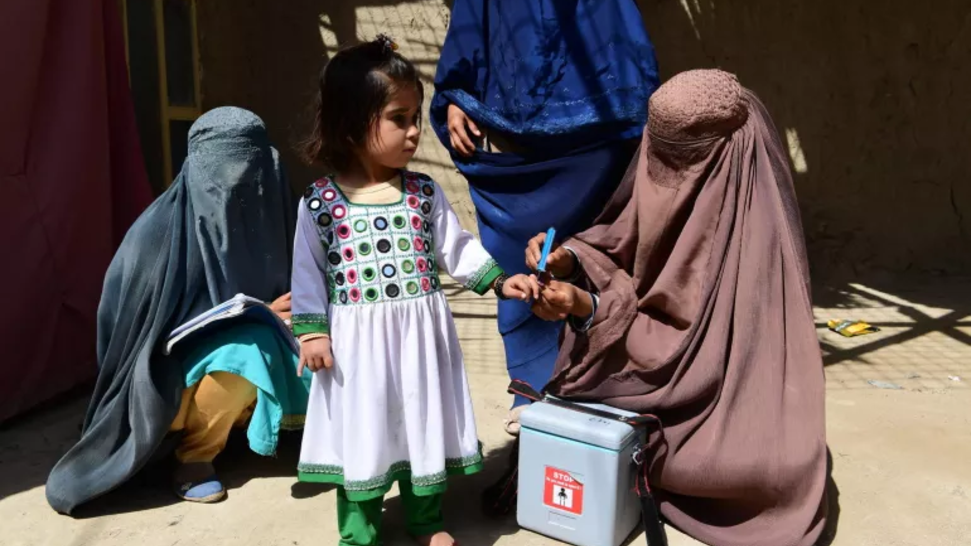
The resumption of preventive vaccination globally provides a model for Afghanistan to transition toward proactive disease prevention strategies. Preventive OCV campaigns can protect vulnerable populations, reduce outbreak severity, and save lives—especially among children, displaced families, and communities with limited access to clean water.
ADVTP strongly supports:
- The inclusion of Afghanistan in future preventive cholera vaccine allocations
- Integration of vaccination with WASH programming
- Long-term investment in water infrastructure and sanitation systems
- Strengthening community-based health systems
- Building local capacity for outbreak preparedness and response
A Sustainable Vision for Cholera Elimination
While vaccines are a powerful tool, cholera will not be eliminated without sustained political commitment, donor support, and infrastructure investment. Long-term solutions must focus on:
- Universal access to safe water
- Improved sanitation systems
- Hygiene education
- Poverty reduction
- Community resilience
- Strong local institutions
ADVTP remains committed to working with government institutions, UN agencies, international partners, and local communities to build a cholera-resilient Afghanistan, where preventable diseases no longer threaten the lives and dignity of vulnerable populations.
Preventive vaccination protects lives today. Clean water and sanitation protect generations tomorrow.


